Marketing for Kids’ Camps & Holiday Programs in Singapore

Holiday camps

Jan 2, 2026

Marketing kids’ camps and holiday programs in Singapore has become more competitive — and more complex — than ever before. Parents are cautious, options are everywhere, and attention spans are short.
In 2026, successful camp operators don’t rely on last-minute promotions or generic ads. They use clear positioning, precise timing, and trust-driven marketing funnels.
This article explains what actually works when marketing kids’ camps and holiday programs in Singapore today.
1. Parents Plan Camps Earlier Than You Think
One of the biggest mistakes camp operators make is starting marketing too late.
In Singapore, parents:
Start researching holiday camps 6–10 weeks before school holidays
Shortlist quietly
Wait for confirmation of travel or work schedules
Enrol quickly once plans are clear
Key takeaway:
If your marketing starts “when the holidays are near”, you’ve already lost many parents.
2. Trust Is the Main Conversion Factor
For kids’ camps, parents don’t buy excitement first — they buy safety and reliability.
Parents look for:
Clear age ranges
Teacher qualifications
Staff-to-child ratios
First aid / safety assurances
Real photos (not stock images)
Marketing that works in 2025 highlights:
Experience, not just activities
Structure, not chaos
Professionalism, not hype
If parents don’t trust you, discounts won’t save you.
3. Landing Pages Matter More Than Social Media
Social media creates awareness.
Landing pages convert.
Common issues with camp websites in Singapore:
Too many programs on one page
No clear CTA
Unclear dates or locations
Long forms
Poor mobile experience
High-converting camp landing pages include:
One clear camp or theme per page
Dates, age group, location clearly visible
Simple explanation of daily structure
WhatsApp or fast enquiry option
In 2025, parents decide in seconds, not minutes.
4. Meta Ads Still Work — With the Right Message
Despite higher costs, Meta Ads (Facebook & Instagram) still perform well for kids’ camps in Singapore when done correctly.
What no longer works:
Generic “fun camp” messaging
Stock images
Broad targeting with no funnel
What works now:
Real class photos or videos
Parent-focused copy (not child-focused)
Clear outcomes (confidence, skills, structure)
Retargeting parents who visited your site
Ads should reduce anxiety, not increase excitement only.
5. Google Ads Capture High-Intent Parents
Google Ads are extremely powerful for holiday programs because parents actively search for:
“holiday camp Singapore”
“kids camp March holidays”
“summer camp Singapore for kids”
These parents are already interested — your job is to:
Match the search intent
Show clarity and credibility
Make booking easy
Best practice:
Use Google Ads together with dedicated landing pages, not your homepage.
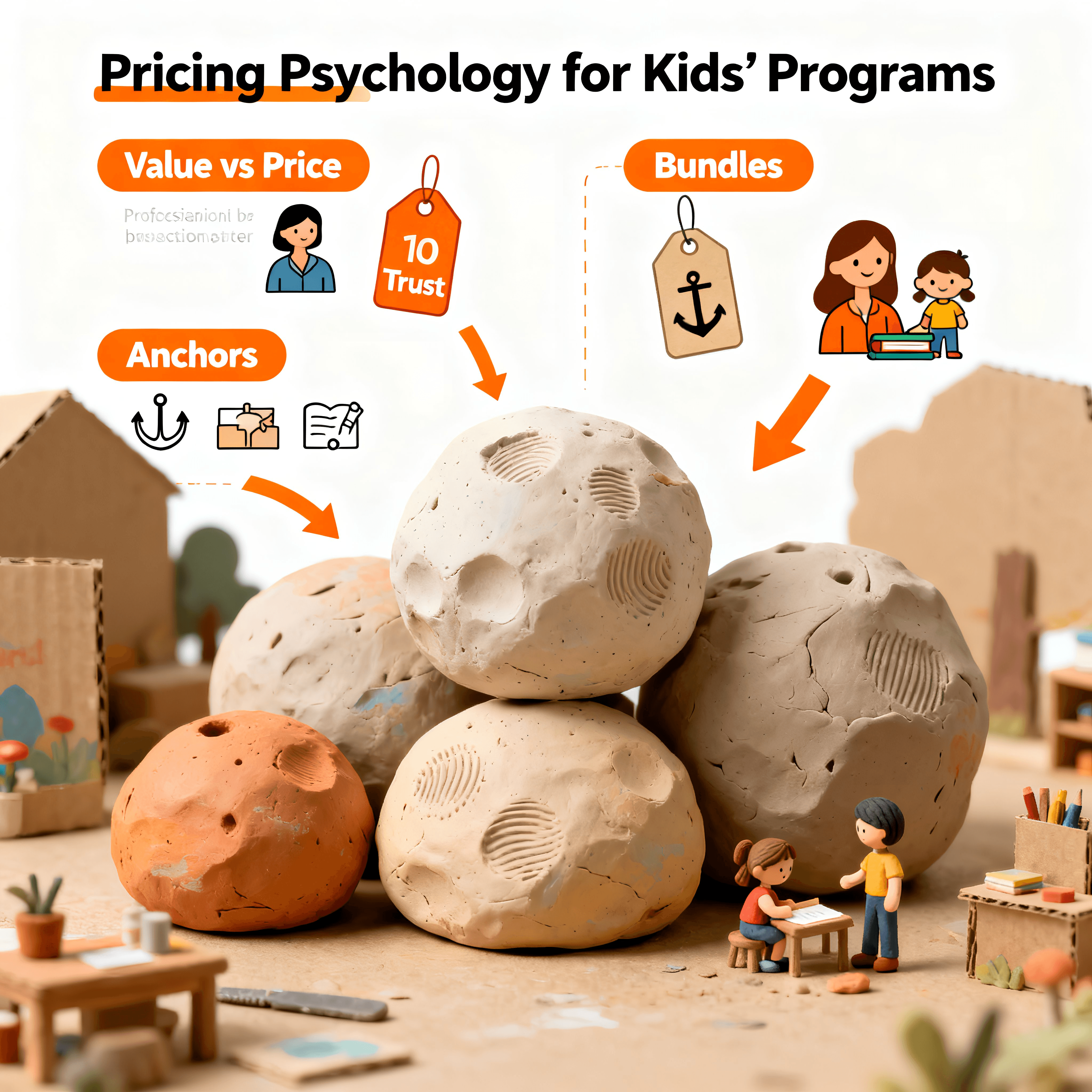
6. Pricing Strategy Matters More Than Discounts
Parents in Singapore compare prices — but they rarely choose the cheapest option.
They ask:
Is this worth the time?
Is my child safe and engaged?
Is this better than staying at home?
Instead of heavy discounts, successful camps use:
Early-bird offers
Limited slots messaging
Camp vouchers
Bundles (2-camp / 4-camp options)
These reduce hesitation without damaging brand value.
7. Reviews and Social Proof Are Non-Negotiable
Parents trust other parents.
In 2025, they expect:
Google reviews
Instagram highlights from real camps
Testimonials that mention age, experience, and outcomes
Pro tip:
Replying to reviews increases trust more than having perfect ratings.
8. Email and WhatsApp Drive Final Decisions
Many parents:
Enquire
Pause
Come back days or weeks later
Camps that convert best:
Send clear follow-ups
Answer questions patiently
Provide reminders before camps sell out
Marketing doesn’t end with the enquiry — it starts there.
9. Seasonal Marketing Is Everything
Kids’ camp marketing in Singapore is highly seasonal:
Chinese New Year
March Holidays
June / Summer
September / Autumn
December
Each season requires:
Different messaging
Different urgency
Different parent mindset
Reusing the same campaign year-round is one of the biggest growth blockers.
10. The Camps That Win Think Like Parents, Not Organisers
The most successful kids’ camps in Singapore design their marketing around one question:
“What does a busy parent need to feel confident booking this?”
When marketing answers that clearly, enrolments follow.
Final Thoughts
In 2026, marketing kids’ camps and holiday programs in Singapore is not about shouting louder — it’s about being clearer, safer, and easier to trust.
Camps that invest in:
Strong landing pages
Performance-driven ads
Parent-centric messaging
Will outperform competitors — even with similar programs.

Sophia